Think Forward.

« Paix et retour dans la dignité » : un collectif sahraoui appelle au retour volontaire vers le Maroc... 2142

Fondé en juin 2025 à Nouadhibou par des Sahraouis établis en Mauritanie, en Europe et dans les camps de Tindouf en Algérie, un collectif baptisé *« Paix et retour dans la dignité »* vise à promouvoir le retour volontaire des "réfugiés" vers le Maroc. Sous la présidence d'un dénommé **Badi Abdelaziz**, se disant ancien cadre militaire séparatiste devenu opposant au Front Polisario, ce groupe a lancé en septembre 2025 un appel aux autorités marocaines afin de faciliter le rapatriement des Sahraouis, dans des conditions sûres et dignes. Cette initiative, relayée par la presse marocaine, reste discrète dans les médias du pays voisin et de son proxy pour des raisons évidentes. Le collectif dénonce les « conditions difficiles » et « inhumaines » que subissent les populations dans les camps de Tindouf, pointant une gestion oppressante du Front Polisario et appelant à des garanties de sécurité et de dignité pour ceux qui souhaitent rentrer. Cette démarche met en lumière à la fois des préoccupations humanitaires véhiculées par plusieurs ONG d'ailleurs et des voix sahraouies internes qui cherchent à s’affranchir des structures dominantes (Front Polisario et autorités militaires algériennes). L’enjeu est donc tant humanitaire que politique. Selon **Badi Abdelaziz**, l’initiative s’inscrit dans le cadre de la mise en œuvre des recommandations de l’ambassadeur marocain à l’ONU, Omar Hilale, qui a rappelé voilà quelque temps que le retour des réfugiés nécessite un recensement officiel, point crucial exigé depuis des années par le Haut Commissariat aux réfugiés (HCR) et qui n’a jamais été fait, empêché par la junte militaire d’Alger. Le recensement est perçu comme une condition préalable pour identifier les prétendants au retour. Les séquestrés de Tindouf ne sont pas tous originaires de la région comme chacun le sait. Le collectif cherche donc à garantir un retour transparent et respectueux des droits, tout en remettant en question la tutelle politique du Polisario sur les camps. Il faut dire que la population est lasse des conditions difficiles et se rend chaque jour un peu plus compte des mensonges propagandistes. Elle prend de plus en plus conscience de son exploitation par les séparatistes du Polisario pour des contingences très loin du discours officiel. Les agences onusiennes, dans leur **Sahrawi Refugees Response Plan 2024-2025**, estiment à près de **104 millions USD** les besoins en financement pour l’aide aux séquestrés, soulignant une dépendance totale à l’assistance internationale. Ces chiffres illustrent la gravité de la situation, qui alimente les débats diplomatiques et humanitaires autour du Sahara dit occidental, surtout que bien des rapports insistent, preuves à l'appui, sur le détournement systématique de l'aide disponible. L'appel de ce groupe est aussi à mettre dans la perspective de l'évolution géopolitique d'un dossier aux multiples ramifications régionales et internationales. La communauté internationale et les grandes puissances, en premier, sont fatiguées de la situation que l'Algérie a fomentée et entretient à des coûts exorbitants au dépens du développement de son pays, du bien-être de sa propre population et de la sécurité dans la région. **Le rôle de la Mauritanie et de l’Algérie** devient fondamental dans ce contexte. La Mauritanie, quoique plus neutre, a abrité et toléré tout de même la naissance de ce collectif à Nouadhibou, signe d’un possible repositionnement ou d’une volonté d’ouvrir un dialogue plus pragmatique. En revanche, l’Algérie, dans son obstination chronique, demeure le soutien politique et militaire majeur du Front Polisario. L'évidence aujourd'hui est que la junte militaire en Algérie, utilise ce conflit dans l'espoir de renforcer son influence régionale, de contrebalancer le poids du Maroc et surtout d'exporter ses échecs et les énormes insuffisances dont souffre le pays et sa population, malgré une richesse inouïe. **La rivalité Maroc-Algérie**, entretenue par la seule Algérie, est exacerbée par ce dossier, entravant les avancées régionales comme la réunification du Maghreb et l'intégration économique de toute la région. Le conflit freine la coopération économique, sécuritaire et migratoire, alors que la région fait face à des défis communs comme le terrorisme, la migration irrégulière ou le changement climatique. **Les acteurs internationaux** jouent également un rôle pivot et semblent vouloir aller vite dans ce dossier. Les États-Unis, La France, l'Espagne, la Grande Bretagne et d'autres pays de l’Union européenne, d'Afrique, d'Asie et d'Amérique Latine, se sont franchement engagés dans la logique de régler le conflit au plus vite en reconnaissant la marocanité des territoires en question, sur la base de données et d'arguments objectifs. La visite toute récente du Ministre Bourita à Pékin semble aller aussi dans ce sens. Officiellement tout au moins, c’est le statu quo en attendant la prochaine réunion du Conseil de Sécurité consacrée à ce dossier. Le Maroc a réussi à étoffer son réseau de soutien grâce à sa proposition d’autonomie, argumentant qu’elle constitue la solution réaliste respectant l’intégrité territoriale et l’unité nationale. Ce ci séduit les partenaires face à la chimère d’indépendance promue par le proxy d'Alger. **La dimension sécuritaire** pèse aussi lourdement. Le Sahara est un corridor stratégique pour le trafic de drogue et d’armes, ce qui alerte les puissances occidentales. La stabilité de la zone est donc cruciale non seulement pour les populations locales mais aussi pour la sécurité régionale et internationale. Le collectif «Paix et retour dans la dignité» offre ainsi une nouvelle vision interne, où une partie importante des Sahraouis refuse la prolongation du conflit au prix de sa souffrance persistante. Son soutien à l’autonomie au sein du Royaume et l’appel clair au retour volontaire sont autant de signaux à prendre en compte dans le calcul diplomatique régional. Cependant, il est difficile d’évaluer la représentativité précise de ce collectif face à d’autres factions dont l’influence et l’indépendance sont souvent difficiles à vérifier. En outre, le contexte régional, marqué par des tensions diplomatiques comme celle entre le Mali et Alger, les intérêts contradictoires et les enjeux sécuritaires majeurs, compliquent à ce jour une avancée rapide. En attendant, les séquestrés de Tindouf continuent de vivre dans des conditions précaires, d'où l'urgence d’une intervention humanitaire renforcée. Seul le cadre politique proposé par le Royaume du Maroc garantit des droits et respecte la dignité des populations concernées. L’équilibre entre règlement politique, ambitions stratégiques et urgence humanitaire reste la clé pour débloquer ce dossier épineux, dont la résolution conditionnera grandement la stabilité future de toute l'Afrique du Nord. C'est dans ce contexte que devraient s'inscrire les débats lors du prochain Conseil de Sécurité consacré à ce conflit artificiel qui n'a que trop duré.

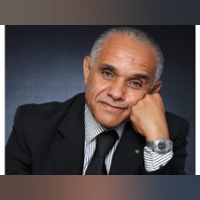
Aziz Daouda Aziz Daouda

Aziz Daouda

Directeur Technique et du Développement de la Confédération Africaine d'Athlétisme. Passionné du Maroc, passionné d'Afrique. Concerné par ce qui se passe, formulant mon point de vue quand j'en ai un. Humaniste, j'essaye de l'être, humain je veux l'être. Mon histoire est intimement liée à l'athlétisme marocain et mondial. J'ai eu le privilège de participer à la gloire de mon pays .


8900

33.0

THE ADVENTURES OF TOM SAWYER - PREFACE 5032

Most of the adventures recorded in this book really occurred; one or two were experiences of my own, the rest those of boys who were schoolmates of mine. Huck Finn is drawn from life; Tom Sawyer also, but not from an individual—he is a combination of the characteristics of three boys whom I knew, and therefore belongs to the composite order of architecture. The odd superstitions touched upon were all prevalent among children and slaves in the West at the period of this story—that is to say, thirty or forty years ago. Although my book is intended mainly for the entertainment of boys and girls, I hope it will not be shunned by men and women on that account, for part of my plan has been to try to pleasantly remind adults of what they once were themselves, and of how they felt and thought and talked, and what queer enterprises they sometimes engaged in. THE AUTHOR. HARTFORD, 1876.

THE MEDITATIONS - Book I.[1/3] 5179

1. I learned from my grandfather, Verus, to use good manners, and to put restraint on anger. 2. In the famous memory of my father I had a pattern of modesty and manliness. 3. Of my mother I learned to be pious and generous; to keep myself not only from evil deeds, but even from evil thoughts; and to live with a simplicity which is far from customary among the rich. 4. I owe it to my great-grandfather that I did not attend public lectures and discussions, but had good and able teachers at home; and I owe him also the knowledge that for things of this nature a man should count no expense too great. 5. My tutor taught me not to favour either green or blue at the chariot races, nor, in the contests of gladiators, to be a supporter either of light or heavy armed. He taught me also to endure labour; not to need many things; to serve myself without troubling others; not to intermeddle in the affairs of others, and not easily to listen to slanders against them. 6. Of Diognetus I had the lesson not to busy myself about vain things; not to credit the great professions of such as pretend to work wonders, or of sorcerers about their charms, and their expelling of Demons and the like; not to keep quails (for fighting or divination), nor to run after such things; to suffer freedom of speech in others, and to apply myself heartily to philosophy. Him also I must thank for my hearing first Bacchius, then Tandasis and Marcianus; that I wrote dialogues in my youth, and took a liking to the philosopher’s pallet and skins, and to the other things which, by the Grecian discipline, belong to that profession. 7. To Rusticus I owe my first apprehensions that my nature needed reform and cure; and that I did not fall into the ambition of the common Sophists, either by composing speculative writings or by declaiming harangues of exhortation in public; further, that I never strove to be admired by ostentation of great patience in an ascetic life, or by display of activity and application; that I gave over the study of rhetoric, poetry, and the graces of language; and that I did not pace my house in my senatorial robes, or practise any similar affectation. I observed also the simplicity of style in his letters, particularly in that which he wrote to my mother from Sinuessa. I learned from him to be easily appeased, and to be readily reconciled with those who had displeased me or given cause of offence, so soon as they inclined to make their peace; to read with care; not to rest satisfied with a slight and superficial knowledge; nor quickly to assent to great talkers. I have him to thank that I met with the discourses of Epictetus, which he furnished me from his own library. 8. From Apollonius I learned true liberty, and tenacity of purpose; to regard nothing else, even in the smallest degree, but reason always; and always to remain unaltered in the agonies of pain, in the losses of children, or in long diseases. He afforded me a living example of how the same man can, upon occasion, be most yielding and most inflexible. He was patient in exposition; and, as might well be seen, esteemed his fine skill and ability in teaching others the principles of philosophy as the least of his endowments. It was from him that I learned how to receive from friends what are thought favours without seeming humbled by the giver or insensible to the gift. 9. Sextus was my pattern of a benign temper, and his family the model of a household governed by true paternal affection, and a steadfast purpose of living according to nature. Here I could learn to be grave without affectation, to observe sagaciously the several dispositions and inclinations of my friends, to tolerate the ignorant and those who follow current opinions without examination. His conversation showed how a man may accommodate himself to all men and to all companies; for though companionship with him was sweeter and more pleasing than any sort of flattery, yet he was at the same time highly respected and reverenced. No man was ever more happy than he in comprehending, finding out, and arranging in exact order the great maxims necessary for the conduct of life. His example taught me to suppress even the least appearance of anger or any other passion; but still, with all this perfect tranquillity, to possess the tenderest and most affectionate heart; to be apt to approve others yet without noise; to have much learning and little ostentation. 10. I learned from Alexander the Grammarian to avoid censuring others, to refrain from flouting them for a barbarism, solecism, or any false pronunciation. Rather was I dexterously to pronounce the words rightly in my answer, confining approval or objection to the matter itself, and avoiding discussion of the expression, or to use some other form of courteous suggestion. 11. Fronto made me sensible how much of envy, deceit and hypocrisy surrounds princes; and that generally those whom we account nobly born have somehow less natural affection. 12. I learned from Alexander the Platonist not often nor without great necessity to say, or write to any man in a letter, that I am not at leisure; nor thus, under pretext of urgent affairs, to make a practice of excusing myself from the duties which, according to our various ties, we owe to those with whom we live. 13. Of Catulus I learned not to condemn any friend’s expostulation even though it were unjust, but to try to recall him to his former disposition; to stint no praise in speaking of my masters, as is recounted of Domitius and Athenodorus; and to love my children with true affection. 14. Of Severus, my brother, I learned to love my kinsmen, to love truth, to love justice. Through him I came to know Thrasea, Helvidius, Cato, Dion, and Brutus. He gave me my first conception of a Commonwealth founded upon equitable laws and administered with equality of right; and of a Monarchy whose chief concern is the freedom of its subjects. Of him I learned likewise a constant and harmonious devotion to Philosophy; to be ready to do good, to be generous with all my heart. He taught me to be of good hope and trustful of the affection of my friends. I observed in him candour in declaring what he condemned in the conduct of others; and so frank and open was his behaviour, that his friends might easily see without the trouble of conjecture what he liked or disliked.