Think Forward.

France-Maroc : le docu qui caricature pour condamner 208

Il y a des documentaires qui éclairent le réel. Et puis il y a ceux qui le déforment au nom d’une cause. Il m’a fallu trois visionnages attentifs pour venir à l’évidence qu' avec «France–Maroc : Je t’aime, moi non plus», diffusé sur France 5 le 5 avril, le téléspectateur n’assiste pas à une enquête, mais à un procès. Un procès à charge, méthodique, où l’accusé est connu d’avance: le Maroc, sa monarchie, et au-delà, son choix politique singulier. La double narration de la voix off et celle de celui dont les propos constituent le fil conducteur n’avait qu’une seule ligne directrice: insinuer, concocter un récit, le consolider et en faire une vérité à force de le répéter de mille manières. Derrière l’apparence du décryptage, c’est en réalité une démonstration idéologique qui se déploie, avec ses certitudes, ses angles morts et ses silences soigneusement entretenus. Le maître-mot: caricaturer pour disqualifier ; le procédé, plutôt transparent: réduire pour mieux condamner. Feu Hassan II est enfermé dans une lecture univoque, celle du «dictateur», sans contextualisation sérieuse des années de plomb, des tensions de la Guerre froide ou des tentatives répétées de coups d’État et d’assassinats qui ont visé le régime. Le seul extrait qu’on lui a trouvé, lui qui était plutôt loquace, est celui où Anne Sinclair lui pose une question sur Khalaat Mgouna.«La capitale des roses», lui avait-il rétorqué. Comme si un État soumis à des menaces existentielles devait réagir avec les standards d’une démocratie permissive. L’histoire nous a bien démontré sur quoi cela pouvait aboutir. Quant à Sa Majesté Mohammed VI, il est présenté comme une simple variation cosmétique du même système: une monarchie «adoucie», mais fondamentalement inchangée. Une lecture paresseuse qui évacue deux décennies de réformes, d’ajustements et d’évolutions réelles. Dans les deux cas, l’objectif n’est pas de comprendre, mais de figer. Le film devait parler de la relation entre les deux pays, mais la France y est absente donc innocente. La véritable clé du documentaire réside dans ce qu’il ne montre pas. La France, pourtant actrice centrale de cette relation, y apparaît comme en retrait, presque extérieure aux tensions. Une étrange disparition. Où sont les responsabilités historiques du protectorat dont souffre le pays à ce jour? Les imputations territoriales? Les ambiguïtés diplomatiques constantes pour soi-disant préserver un prétendu équilibre entre le Maroc et son voisin? Les intérêts économiques et stratégiques défendus avec constance? Les variations opportunistes du discours sur les droits de l’homme? En creux, le récit devient limpide: le Maroc serait dans l’affect, la pression, voire le chantage. La France, elle, incarnerait la rationalité, l’intelligence et la vérité. Ce déséquilibre n’est pas une maladresse. C’est une construction voulue et assumée dans les images choisies, les séquences et la narration. Comme quand il s’agit de Pegasus. Là, on a suggéré sans prouver, insinué sans conclure. Le traitement de l’affaire dans ce film illustre parfaitement cette mécanique. Le documentaire suggère. Il instille le doute. Il entretient le soupçon et s’arrête là. Jamais il ne rappelle un fait pourtant essentiel: aucune preuve formelle et irréfutable n’a établi la responsabilité du Maroc dans les accusations initiales. Mieux encore, plusieurs éléments sont venus fragiliser ces accusations, au point d’introduire un doute sérieux dans de nombreux cercles d’analyse, y compris au niveau des instances officielles. Ce point n’est pas discuté. Il est simplement évacué. Le spectateur est ainsi laissé dans une zone grise soigneusement entretenue: celle où l’accusation subsiste sans jamais être confrontée à l’exigence de preuve. Bien sûr, c’est volontairement fait ainsi, de façon à ce que la vérité soit masquée par le doute et les insinuations. Ce n’est plus de l’information. C’est de la suggestion. Au-delà, le réel est nié. Le Maroc en transformation est occulté, avec un angle mort majeur: les évolutions du Maroc contemporain. Car enfin, de quoi parle-t-on ? D’un pays qui a engagé une réconciliation institutionnelle avec son passé ? Non. D’un pays qui a réformé en profondeur son droit de la famille ? Non. D’un pays qui a ouvert, progressivement, des espaces de libertés publiques ou maintenu une stabilité politique rare dans une région tourmentée ? Non. D’un Royaume qui a généralisé la couverture sociale ? Bien sûr que non. Des retraités français qui préfèrent le Maroc? NON. Rien de cela n’est intégré dans la narration. Comme si reconnaître ces dynamiques affaiblissait la thèse initiale. Les réussites économiques et sociales intégrées auraient affaibli la thèse et rejeté les hypothèses. Toute analyse honnête devrait partir de cette tension: un système probablement imparfait, mais qui réussit tout de même mieux que son voisin, par exemple. Un système qui ne s’est jamais figé et qui a fait de la transformation progressive à son rythme une doctrine. Le biais fondamental dans ce film est une définition unique de la démocratie, celle voulue par le narrateur et les invités à qui il a donné le plus de temps de parole. Comme si, pour dire la vérité, il fallait absolument vivre à Paris et écrire en français. Au fond, ce documentaire révèle un biais plus profond: l’incapacité à penser la diversité des modèles politiques. Ici, la démocratie ne peut être que celle de la France socialiste. Tout ce qui s’en écarte devient suspect, illégitime ou transitoire. Le film a fondamentalement ignoré que le Maroc n’est pas la France. C’est une monarchie constitutionnelle, avec ses équilibres propres, ses contradictions, mais aussi sa légitimité historique et populaire. Les Marocains n’y sont pas soumis: ils y sont, dans leur immense majorité, attachés. Ignorer ce fait, c’est sortir du champ de l’analyse pour entrer dans celui du jugement. Quand l’idéologie remplace le journalisme, au final, «France–Maroc: Je t’aime, moi non plus» ne doute jamais. Et c’est précisément là son problème. Tout y est orienté: les choix d’intervenants, les séquences retenues, les silences assumés, les insinuations non corrigées. Ce n’est pas une enquête. C’est une démonstration. Et comme toute démonstration idéologique, elle simplifie le réel jusqu’à le déformer. C’est encore une fois une occasion manquée et un symptôme révélateur. La relation entre la France et le Maroc est trop dense, trop historique, trop humaine pour être réduite à un récit de domination ou de manipulation. Elle est faite de tensions, certes, mais aussi d’interdépendances, de liens humains profonds, d’intérêts croisés, d’attachements durables. Ce documentaire aurait pu en rendre compte. Il aurait pu éclairer les malentendus, interroger les non-dits, équilibrer les responsabilités. Il a préféré instruire un procès. Et ce faisant, il révèle moins le Maroc qu’un certain regard français sur le monde: sûr de lui, normatif, et parfois incapable de voir au-delà de ses propres catégories.

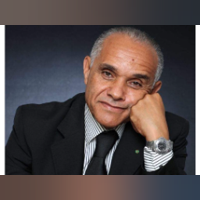
Aziz Daouda Aziz Daouda

Aziz Daouda

Directeur Technique et du Développement de la Confédération Africaine d'Athlétisme. Passionné du Maroc, passionné d'Afrique. Concerné par ce qui se passe, formulant mon point de vue quand j'en ai un. Humaniste, j'essaye de l'être, humain je veux l'être. Mon histoire est intimement liée à l'athlétisme marocain et mondial. J'ai eu le privilège de participer à la gloire de mon pays .


9500

33.0

THE ENCHIRIDION - I 5335

There are things which are within our power, and there are things which are beyond our power. Within our power are opinion, aim, desire, aversion, and, in one word, whatever affairs are our own. Beyond our power are body, property, reputation, office, and, in one word, whatever are not properly our own affairs. Now the things within our power are by nature free, unrestricted, unhindered; but those beyond our power are weak, dependent, restricted, alien. Remember, then, that if you attribute freedom to things by nature dependent and take what belongs to others for your own, you will be hindered, you will lament, you will be disturbed, you will find fault both with gods and men. But if you take for your own only that which is your own and view what belongs to others just as it really is, then no one will ever compel you, no one will restrict you; you will find fault with no one, you will accuse no one, you will do nothing against your will; no one will hurt you, you will not have an enemy, nor will you suffer any harm. Aiming, therefore, at such great things, remember that you must not allow yourself any inclination, however slight, toward the attainment of the others; but that you must entirely quit some of them, and for the present postpone the rest. But if you would have these, and possess power and wealth likewise, you may miss the latter in seeking the former; and you will certainly fail of that by which alone happiness and freedom are procured. Seek at once, therefore, to be able to say to every unpleasing semblance, “You are but a semblance and by no means the real thing.” And then examine it by those rules which you have; and first and chiefly by this: whether it concerns the things which are within our own power or those which are not; and if it concerns anything beyond our power, be prepared to say that it is nothing to you.

THE ADVENTURES OF TOM SAWYER - PREFACE 5530

Most of the adventures recorded in this book really occurred; one or two were experiences of my own, the rest those of boys who were schoolmates of mine. Huck Finn is drawn from life; Tom Sawyer also, but not from an individual—he is a combination of the characteristics of three boys whom I knew, and therefore belongs to the composite order of architecture. The odd superstitions touched upon were all prevalent among children and slaves in the West at the period of this story—that is to say, thirty or forty years ago. Although my book is intended mainly for the entertainment of boys and girls, I hope it will not be shunned by men and women on that account, for part of my plan has been to try to pleasantly remind adults of what they once were themselves, and of how they felt and thought and talked, and what queer enterprises they sometimes engaged in. THE AUTHOR. HARTFORD, 1876.

THE MEDITATIONS - Book I.[1/3] 5673

1. I learned from my grandfather, Verus, to use good manners, and to put restraint on anger. 2. In the famous memory of my father I had a pattern of modesty and manliness. 3. Of my mother I learned to be pious and generous; to keep myself not only from evil deeds, but even from evil thoughts; and to live with a simplicity which is far from customary among the rich. 4. I owe it to my great-grandfather that I did not attend public lectures and discussions, but had good and able teachers at home; and I owe him also the knowledge that for things of this nature a man should count no expense too great. 5. My tutor taught me not to favour either green or blue at the chariot races, nor, in the contests of gladiators, to be a supporter either of light or heavy armed. He taught me also to endure labour; not to need many things; to serve myself without troubling others; not to intermeddle in the affairs of others, and not easily to listen to slanders against them. 6. Of Diognetus I had the lesson not to busy myself about vain things; not to credit the great professions of such as pretend to work wonders, or of sorcerers about their charms, and their expelling of Demons and the like; not to keep quails (for fighting or divination), nor to run after such things; to suffer freedom of speech in others, and to apply myself heartily to philosophy. Him also I must thank for my hearing first Bacchius, then Tandasis and Marcianus; that I wrote dialogues in my youth, and took a liking to the philosopher’s pallet and skins, and to the other things which, by the Grecian discipline, belong to that profession. 7. To Rusticus I owe my first apprehensions that my nature needed reform and cure; and that I did not fall into the ambition of the common Sophists, either by composing speculative writings or by declaiming harangues of exhortation in public; further, that I never strove to be admired by ostentation of great patience in an ascetic life, or by display of activity and application; that I gave over the study of rhetoric, poetry, and the graces of language; and that I did not pace my house in my senatorial robes, or practise any similar affectation. I observed also the simplicity of style in his letters, particularly in that which he wrote to my mother from Sinuessa. I learned from him to be easily appeased, and to be readily reconciled with those who had displeased me or given cause of offence, so soon as they inclined to make their peace; to read with care; not to rest satisfied with a slight and superficial knowledge; nor quickly to assent to great talkers. I have him to thank that I met with the discourses of Epictetus, which he furnished me from his own library. 8. From Apollonius I learned true liberty, and tenacity of purpose; to regard nothing else, even in the smallest degree, but reason always; and always to remain unaltered in the agonies of pain, in the losses of children, or in long diseases. He afforded me a living example of how the same man can, upon occasion, be most yielding and most inflexible. He was patient in exposition; and, as might well be seen, esteemed his fine skill and ability in teaching others the principles of philosophy as the least of his endowments. It was from him that I learned how to receive from friends what are thought favours without seeming humbled by the giver or insensible to the gift. 9. Sextus was my pattern of a benign temper, and his family the model of a household governed by true paternal affection, and a steadfast purpose of living according to nature. Here I could learn to be grave without affectation, to observe sagaciously the several dispositions and inclinations of my friends, to tolerate the ignorant and those who follow current opinions without examination. His conversation showed how a man may accommodate himself to all men and to all companies; for though companionship with him was sweeter and more pleasing than any sort of flattery, yet he was at the same time highly respected and reverenced. No man was ever more happy than he in comprehending, finding out, and arranging in exact order the great maxims necessary for the conduct of life. His example taught me to suppress even the least appearance of anger or any other passion; but still, with all this perfect tranquillity, to possess the tenderest and most affectionate heart; to be apt to approve others yet without noise; to have much learning and little ostentation. 10. I learned from Alexander the Grammarian to avoid censuring others, to refrain from flouting them for a barbarism, solecism, or any false pronunciation. Rather was I dexterously to pronounce the words rightly in my answer, confining approval or objection to the matter itself, and avoiding discussion of the expression, or to use some other form of courteous suggestion. 11. Fronto made me sensible how much of envy, deceit and hypocrisy surrounds princes; and that generally those whom we account nobly born have somehow less natural affection. 12. I learned from Alexander the Platonist not often nor without great necessity to say, or write to any man in a letter, that I am not at leisure; nor thus, under pretext of urgent affairs, to make a practice of excusing myself from the duties which, according to our various ties, we owe to those with whom we live. 13. Of Catulus I learned not to condemn any friend’s expostulation even though it were unjust, but to try to recall him to his former disposition; to stint no praise in speaking of my masters, as is recounted of Domitius and Athenodorus; and to love my children with true affection. 14. Of Severus, my brother, I learned to love my kinsmen, to love truth, to love justice. Through him I came to know Thrasea, Helvidius, Cato, Dion, and Brutus. He gave me my first conception of a Commonwealth founded upon equitable laws and administered with equality of right; and of a Monarchy whose chief concern is the freedom of its subjects. Of him I learned likewise a constant and harmonious devotion to Philosophy; to be ready to do good, to be generous with all my heart. He taught me to be of good hope and trustful of the affection of my friends. I observed in him candour in declaring what he condemned in the conduct of others; and so frank and open was his behaviour, that his friends might easily see without the trouble of conjecture what he liked or disliked.