Dopage, un problème de santé publique... 3558
Je viens de passer une journée mémorable à Khouribga, le 30 décembre de l’année écoulée à l’invitation de l’Agence Marocaine Antidopage que préside la vaillante Fatima Abouali. C’était à l’occasion de l’une des étapes de la Caravane Nationale « Sport sans dopage », visant la sensibilisation des jeunes quant aux dangers des substances dopantes sur la santé; caravane placée sous le haut patronage de Sa Majesté le Roi , que Dieu l'assiste.
A chacune de ces invitations, car ce n'est pas la première puisque j'avais participé à l'étape de Laayoune et d'Errachidia, l'occasion m'est donnée pour m'adresser aux autorités et personnalités présentes mais surtout aux dirigeants sportifs et aux jeunes.
AMAD est l’autorité marocaine compétente en matière de lutte contre le dopage. Elle est assez récente puisque n’a été créée que suite aux directives royales contenues dans la lettre historique aux assises du sport en 2008. Elle compte aujourd'hui 3 ans d'âge. Cela ne veut point dire que les sportifs marocains n’étaient pas contrôlés avant la création de l’AMAD. C’était alors les fédérations internationales, puis une agence régionale qui contrôlait les sportifs dans toute la région d’Afrique du Nord.
Sa Majesté disait en substance en 2008, dans cette lettre : « …Cela vaut également pour le dopage, qui constitue un phénomène étranger à nos traditions et à notre culture et qui est répréhensible par la loi et l'éthique sportive. C'est pourquoi Nous engageons les autorités compétentes à sévir vigoureusement contre cette pratique et à faire preuve d'intransigeance dans la répression de l'utilisation et de la commercialisation des substances dopantes, et ce, conformément à la législation nationale et à nos engagements internationaux en la matière. »
C’est à cela que travaille sans répit l’AMAD. Outre de veiller sur les sportifs de haut niveau soumis de par la règlementation internationale à des protocoles strictes de contrôles réguliers, en compétition et surtout et beaucoup en dehors des compétitions, L’agence s’attaque aussi à un phénomène dont nous tardons probablement à prendre conscience, celui du recours par les amateurs adeptes de la culture du corps à des produits apparemment innocents et inoffensifs mais qui peuvent constituer un danger véritable pour la santé notamment des jeunes, souvent inconscients, insoucieux ou mal informés et formés.
Le recours à des produits tels que certains compléments alimentaires, d’origine des fois douteuses, constitue un danger de santé publique et c’est pour en informer les populations que l’AMAD a initié la caravane qui sillonne le territoire national pour justement mettre beaucoup d’informations à la portée des jeunes.
Prendre des produits d’une certaine nature peut s’avérer extrêmement dangereux avec des répercussions des fois irréversibles pouvant aller à des myopathies graves, des troubles de pression artérielle, des troubles graves de la sexualité et tant d’autres problèmes de santé. C’est dire qu’il ne s’agit pas d’effets secondaires auxquels on pourrait s’accommoder.
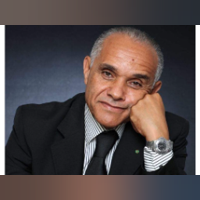
Le professeur Moulay Ahmed Belimam, secrétaire général de l’AMAD, n’arrête pas de le répéter et d’alerter sur ces dangers d’un autre genre, des dangers des temps modernes.
Certains compléments alimentaires comptent dans leurs compositions des stéroïdes anabolisants et autres molécules non autorisées et non admises dans la pratique sportive pour leur nocivité et parce que détournée de leur usage thérapeutique normal. Il s’agit en fait de contourner l’inefficacité des produits de fabrication de base de ses compléments alimentaires en y ajoutant des molécules et composants dont les effets sont connus, par exemple sur le volume musculaire notamment par leurs effets la rétention d’eau. Le volume musculaire, outre la question de l’apparence laisse donner une impression de force, hélas oh combien illusoire. les personnes prenant ces produits, apparemment forts, ne sont même pas aussi forts que la moyenne des personnes non entrainées.
Les recherches ont aussi montré le caractère addictif de ces produits ; le consommateur se retrouve ainsi pris dans un engrenage qu’il ne va plus maitriser.
Qu'une discipline sportive isolée soit contaminée par le phénomène de dopage, on peut toujours objecter qu'il s'agit d'un fléau que l’on peut possiblement circonscrire. On peut alors prendre des mesures appropriées et corriger l'anomalie.
La gravité découle ici du fait que de nombreuses disciplines sportives et pratiques physiques pour ne pas dire toutes sont contaminées. Des jeunes dont l’objet de la pratique n’est pas la compétition ou encore des jeunes qui pratiquent sans la moindre volonté de faire partie du mouvement sportif national sont aujourd’hui victimes insoucieuses de pratiques nocives pour leur santé et illicites vis à vis de la loi.
Cela devient préoccupant.
Il y a là un problème de santé publique et de mise en œuvre de la loi. S’imposent ainsi des mesures de contrôle des produits suspects, de leur traçabilité et de la nature de leurs composants tout aussi bien que s’impose de débusquer les circuits d’approvisionnement et de la commercialisation frauduleuses.
Et il y a urgence.
Reste aussi à persévérer dans la voie de la lutte contre les pratiques de dopage car c'est aussi de la triche ; c’est interdit et encadré par les règlements sportifs mais également par la loi. Les consommateurs/utilisateurs de produits et pratiques interdites doivent en être dissuadés. Ceux qui en font la promotion, ceux qui en font commerce, sportifs, dirigeants doivent savoir que c'est à la fois dangereux et illicite. Tous doivent comprendre que c’est une triche inadmissible et qu’il y a au Maroc une loi qui prévoit des punitions sévères pour cette triche-là spécifiquement.
Celui ou celle qui se dope, finit toujours par se faire attraper car toute substance introduite dans le corps est détectable. Tous ce que vous mettez dans votre corps à peine consommé laisse des traces ; des traces détectables en laboratoire.
La loi aujourd’hui ne punit plus que le sportif en cas de dopage mais également toute personne en relation avec le cas confondu.
En 2022, l’AMAD a effectué un total de 919 tests, dont 704 effectués par l’AMAD en qualité d’autorité de contrôle et 215 prélèvements, comme autorité de prélèvement réalisés pour le compte et à la demande d’autres organismes.
You are leaving Bluwr.
We cannot guarantee what's on the other side of this link:
https://www.blogger.com/blog/posts/92480210226589769?bpli=1&pli=1