Think Forward.

Leïla Slimani: quand une parole pour plaire trahit, la réalité de tout un pays... 1567

Les récentes déclarations de l’écrivaine Leila Slimani, marocaine pour nous, Franco-marocaine pour les plateaux de télévision, ne sont pas du tout passées comme une lettre à la poste. Leïla Slimani a eu un propos tout particulièrement au sujet des femmes et des mères marocaines qui a suscité une vive controverse dépassant la simple divergence d’opinion. Leila était parmi les invités de l'émission "Tout le monde en parle". Une émission qui a survécu à son concepteur Thiery Ardisson, au Québec et pas en France. Les propos en question, perçus comme condescendants, déconnectés des réalités sociales et culturels du Maroc, ont profondément heurté de très nombreuses Marocaines. Notamment et en premier celles qui, comme elle, écrivent en français et s'abreuvent d'émissions culturelles en français. Elles ne lui ont pas passé les propos, loin de là. Beaucoup lui ont répondu. Certaines plus sèchement que d’autres. Elle en a reçu sur la gueule comme jamais dans sa vie. Les réactions sont posées, argumentées et sans ménagements même si gentiment débitées. Certaines sont de véritables leçons à l'adresse de quelqu'un qui a bien mérité un rappel à l'ordre et des plus puissants. Toutes lui rappellent que souvent bon nombre de mamans, contraintes par des conditions difficiles, ont élevé leurs enfants avec courage, dignité et un sens aigu des valeurs, et elles refusent aujourd’hui que leur engagement soit réduit à des clichés simplistes ou à des jugements à sens unique dont le seul but est de faire le buzz sur les plateaux de télévision. Sur les réseaux sociaux et dans les espaces publics, la réaction a été unanime et passionnée. Les femmes marocaines, du moins celles qui se sont exprimées, ont rejeté fermement la vision stéréotypée dont elles ont été victimes, dénonçant une posture parfois moralisatrice et occidentalisée qui ignore la complexité et la richesse de leur vécu. Leur rôle ne peut ni se réduire ni se caricaturer, car il est fondamental dans la construction de la société marocaine, elle-même en mutation mais profondément enracinée dans ses traditions, sa résilience et son identité propre. La phrase où Leila Slimani parle de la vengeance comme une valeur que les mamans enseigneraient à leurs enfants, les filles en particulier, ne passe pas et ne passera pas. Elle a avancé en exemple sa propre grand mère, absente pour la contredire... Cette expression est tout authentiquement inappropriée que fallacieuse. C'est plutôt le contraire qui est vrai : l'une des valeurs fondamentales de la société marocaine est justement le pardon. Le pardon est ici enseigné et vécu au quotidien dans le relationnel sociétal. La vie tourne autour du pardon. Le mot pardon en darija est prononcé des dizaines de fois par jour par tous ici. Lalla Leila, faut-il vraiment vous rappeler que la culture marocaine ne se nourrit pas de rancune et encre moins de vengeance, mais d’exigence : une exigence de respect et de nuance. Aujourd'hui, la société marocaine progresse, mais elle rejette fermement les jugements extérieurs imposés sans une connaissance approfondie du contexte local, qu'il soit cultuel ou culturel. En tant que figure publique représentant le Maroc sur la scène internationale, si vous le voulez bien, vous devriez faire preuve d’une plus grande prudence et d’empathie dans vos propos. Dire une vérité est une chose, l'inventer en est une autre, d'autant plus que la circonstance n'était point une fiction mais bien une émission grand public. Cette polémique met en lumière une fracture symbolique persistante entre une certaine élite installée à l’étranger et le Maroc réel, celui qui vit, lutte et avance à son rythme certes mais avance très bien. Critiquer est légitime, remettre en cause est salutaire mais cela doit toujours se faire avec rigueur, responsabilité et surtout dans le respect. La parole publique ne doit jamais humilier ni infantiliser les femmes marocaines et encore moins dans leur rôle essentiel et vital : celui d'élever les nouvelles générations. Le Maroc ne se fige pas dans des stéréotypes. Les femmes marocaines, qu’elles soient avocates, entrepreneures, enseignantes, artistes, ouvrières, artisanes ou mères au foyer, mènent chaque jour, dans l’ombre des combats essentiels, fondés sur une force tranquille digne d’admiration. Leur modernité est un processus intérieur, patient et authentique, qui n’a rien à envier aux discours importés. Leur devenir est entre leurs mains et ne se fera pas au gré de paroles prononcées ici ou là dans le seul but d'épater une assistance avide d'orientalisme primaire. Au-delà, cette affaire révèle plus largement la difficulté que rencontrent certains Marocains et Marocaines de la diaspora à concilier distance et sensibilité vis-à-vis de leur pays d’origine. C’est d’un pont qu’avait besoin ce dialogue, fondé sur une écoute sincère et un partage respectueux des expériences. À travers cette maladresse, Leïla Slimani a montré combien une parole déconnectée peut blesser profondément, surtout lorsqu’elle émane de l’une des nôtres. Et si l'expression prononcée par Leïla Slimani ne faisait que traduire son ressenti personnel et peut être un désir de vengeance refoulé en relation avec son passé familial. Son papa, le défunt Othmane Slimani, éminent économiste, après avoir été ministre et patron de banque, avait connu une véritable descente aux enfers, accusé de malversations. Il succombera à un cancer des poumons avant la fin du processus judiciaire, ayant fait appel suite à un premier jugement le condamnant en première instance. Il faut reconnaître cependant au défunt que c'est sous sa présidence de la Fédération Royale Marocaine de Football que l'Équipe Nationale du Maroc de Football avait remporté l'unique titre africain qu'elle détient à ce jour. C'était en 1976. Les marocains n'ont jamais oublié cette épopée et en remercie toujours Si Slimani, le sélectionneur Mehdi Belmejdoub, l'entraineur Mardarescu et les joueurs de l'époque avec à leur tête Ahmed Faras. Madame Slimani, qui mérite le respect pour ce qu'elle est, doit simplement intégrer que le Maroc ne réclame pas de leçons, mais une compréhension véritable et un dialogue respectueux pour accompagner sa transformation et les grands progrès engrangés. Le fait de colporter des inepties et des idées qui ne collent ni à son histoire, ni aux valeurs de ses citoyens et encore moins à celles de ses femmes, n'honore pas une écrivaine qui aspire à marquer l'histoire. Beaucoup avant elle ont tenté le même cheminement dans leur quête de vouloir être plus royalistes que le roi; jamais personne n'a réussi. Le Maroc, on peut le quitter, mais lui ne nous quitte jamais, et c'est pour cela qu'il faut le respecter. le Maroc c'est surement bien manger, bien boire mais pas se venger. C'est là ma réponse à Leila Slimani au nom de ma mère, de ma grand-mère et de toutes les mères et grands-mères, si elles me le permettaient...

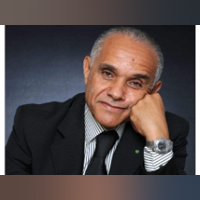
Aziz Daouda Aziz Daouda

Aziz Daouda

Directeur Technique et du Développement de la Confédération Africaine d'Athlétisme. Passionné du Maroc, passionné d'Afrique. Concerné par ce qui se passe, formulant mon point de vue quand j'en ai un. Humaniste, j'essaye de l'être, humain je veux l'être. Mon histoire est intimement liée à l'athlétisme marocain et mondial. J'ai eu le privilège de participer à la gloire de mon pays .


8100

33.0

Enough is Enough, Mr. Motsepe... 229

Letter to Mr. Patrice Motsepe, President of the Confederation of African Football, in response to his statement following the decision of your disciplinary commission. No, Mr. President, you cannot shift onto a host country, in this case, Morocco, the burden of the CAF's chronic weaknesses and the hesitant governance of its disciplinary bodies. By endorsing sanctions perceived as harsh toward Morocco, while sparing those who spoiled a final meant to be the crowning glory of the 2025 AFCON, your discourse on "integrity" and "the image of African football" comes across less as a moral awakening than as a convenient reversal of responsibilities. It is not Morocco that has undermined the CAF's credibility: it is the decisions, the unspoken issues, the legal contradictions, and the off-kilter communication surrounding this dossier. Morocco is not an ordinary defendant before the CAF; it is one of its main pillars. While others shy away from organizational, logistical, and security demands, it is the Kingdom that opens its stadiums, airports, hotels, and cities to competitions that many refuse to risk hosting. The 2025 AFCON mobilized infrastructure upgraded at forced march, nine stadiums meeting international standards, smooth logistics, and security that was widely praised, delivering a tournament that no one disputes on organizational grounds. To now tell this same country that it must also absorb the symbolic and sporting bill for the CAF's regulatory inconsistencies is to punish the very actor who contributed most to the event's success. When Morocco is sanctioned, it is not just federation officials who are targeted; it is millions of Moroccans who feel aggrieved. They filled the stadiums, showcased the country's hospitality, turned this AFCON into a showcase for the continent—only to see their national team, already honored with a fair play award, caught up in a verdict deemed "incomprehensible" even in the international press. How do you explain to these citizens that an exemplary host country, organizationally speaking, is treated with such severity, while the legal qualification of the Senegalese team's temporary withdrawal or other behaviors that disrupted the final seems to have been handled with calculated leniency? The question at hand is one of coherence and proportionality. Many observers, including jurists and former CAF officials, highlight the inconsistencies in a decision where the displayed severity toward Morocco is not matched by equally firm and transparent treatment of all parties involved. The suspensions of Moroccan players and the fines imposed on the FRMF pile onto the rejection of the claim based on articles 82 and 84, while the handling of the opponent's behavior and the incidents that led to the match interruption, injuries to valiant stadium staff, and vandalized equipment leaves a sense of unfinished business. This imbalance fuels the perception that the CAF sought a "political balance" rather than clear sporting justice. Your statements, Mr. President, do announce a reform of the Disciplinary Code, more "appropriate and dissuasive" sanctions, and a commitment to protecting the integrity of African football. Your words thus confirm that what occurred during the final warrants heavy reprimand. Defending the integrity of African football should logically have started there, given the facts that the whole world deemed scandalous—except for your disciplinary commission, which openly encourages indiscipline. To millions of Moroccans, who have invested billions of dirhams in their infrastructure and staked their international image just a few years from a co-hosted 2030 World Cup, this sudden clarity comes too late and feels like a catch-up operation. Trust is not rebuilt with abstract promises, but with decisions that convey equal treatment, rigorous application of the rules, and respect for the sacrifices made by host countries. In reality, what is at stake goes far beyond a mere disciplinary dispute: it is the moral contract between the CAF and its most committed members that is in question. When a country that takes risks to host your competitions feels turned into a scapegoat to mask your own failings, the relationship turns toxic. And if Morocco were to say to you today: enough is enough. It cannot, it must not, pay for the legal ambiguities, political hesitations, and faltering governance of a confederation that hides behind the "independence" of its bodies while refusing to fully own the consequences of its choices. The CAF, under your leadership, has just taken another step toward perfidy against its star pupils, as if those working for the development of African football disturb someone somewhere... Are we not right in the midst of the red poppy syndrome, the one that stands out above the rest in the field? Yes, we are, Mr. President. Those who resent others' success because they cannot replicate it at home have triumphed. They threatened. They were heard. Morocco disturbs with its development, its unparalleled achievements, its diplomatic victories, its success in organizing and the quality it offered your confederation. It pays the price. The price of the naivety it has shown.

Light Pollution and the End of the Construction of Imagination – Part 2 391

Well, as I said in the previous article, I grew up and became a scientist. Not an astronomer, but a biologist. A biologist passionate about the stars. And many may ask: why didn’t you study astronomy? There are three reasons for that. The first is that I love biology. The second is that I was never good at mathematics. And the third is that I discovered that astronomers nowadays barely look at the sky. Telescopes work automatically, providing data to be analyzed later. That romantic astronomy of the past no longer exists. It was almost poetic, because imagination was the fuel for those scientists. Therefore, in cases like mine, it is much better to remain an amateur. This reminds me of a curious anecdote in which the writer Isaac Asimov is said to have refused an invitation to visit a factory where robots performed tasks on assembly lines, because he did not want to compromise his imagination. Returning to my story, when I was 21 years old, my father surprised me by taking me to a well-known store and buying a telescope. It was a relatively simple instrument, with a 60 mm aperture, but it allowed me to see the surface of the Moon perfectly, as well as Jupiter’s four largest moons and even Saturn’s rings. I don’t even need to say how I felt, do I? I became a child again! And that telescope is still here with me today, 30 years later. But here comes the bad part, which gives these two articles their title… Light pollution has reached extremely high levels, to the point that in large cities, when you look at the sky, you see very few stars, only the brightest ones. City lights have erased the night sky. What child today will look up at the sky and be enchanted by all that immensity? Who will feel themselves on the shores of the cosmic ocean, as Carl Sagan said in the first episode of the classic series Cosmos? How will imagination be built? In the same way, the inspiration of many poets and artists will be compromised. A child today, upon hearing stories of a time when the sky was filled with shining stars, might think that either the batteries ran out and no one replaced them, or that the bulbs burned out and no one changed them. It is still a child using their imagination, but without having experienced one of the most beautiful spectacles of creation. That spectacle is still there, happening, and it will continue to happen for a very, very long time. Or rather, as long as time exists, it will continue, but with a curtain separating the stage from the audience. Today there are movements and campaigns aimed at solving this issue, but I believe it is a great challenge to overcome. Until then, one alternative is to leave large urban centers and seek regions far away, at least 50 km from these cities, where one can truly enjoy the magical view of a clear and genuinely dark sky. I always wish clear skies to everyone, and ad astra!