Think Forward.

Leïla Slimani: quand une parole pour plaire trahit, la réalité de tout un pays... 723

Les récentes déclarations de l’écrivaine Leila Slimani, marocaine pour nous, Franco-marocaine pour les plateaux de télévision, ne sont pas du tout passées comme une lettre à la poste. Leïla Slimani a eu un propos tout particulièrement au sujet des femmes et des mères marocaines qui a suscité une vive controverse dépassant la simple divergence d’opinion. Leila était parmi les invités de l'émission "Tout le monde en parle". Une émission qui a survécu à son concepteur Thiery Ardisson, au Québec et pas en France. Les propos en question, perçus comme condescendants, déconnectés des réalités sociales et culturels du Maroc, ont profondément heurté de très nombreuses Marocaines. Notamment et en premier celles qui, comme elle, écrivent en français et s'abreuvent d'émissions culturelles en français. Elles ne lui ont pas passé les propos, loin de là. Beaucoup lui ont répondu. Certaines plus sèchement que d’autres. Elle en a reçu sur la gueule comme jamais dans sa vie. Les réactions sont posées, argumentées et sans ménagements même si gentiment débitées. Certaines sont de véritables leçons à l'adresse de quelqu'un qui a bien mérité un rappel à l'ordre et des plus puissants. Toutes lui rappellent que souvent bon nombre de mamans, contraintes par des conditions difficiles, ont élevé leurs enfants avec courage, dignité et un sens aigu des valeurs, et elles refusent aujourd’hui que leur engagement soit réduit à des clichés simplistes ou à des jugements à sens unique dont le seul but est de faire le buzz sur les plateaux de télévision. Sur les réseaux sociaux et dans les espaces publics, la réaction a été unanime et passionnée. Les femmes marocaines, du moins celles qui se sont exprimées, ont rejeté fermement la vision stéréotypée dont elles ont été victimes, dénonçant une posture parfois moralisatrice et occidentalisée qui ignore la complexité et la richesse de leur vécu. Leur rôle ne peut ni se réduire ni se caricaturer, car il est fondamental dans la construction de la société marocaine, elle-même en mutation mais profondément enracinée dans ses traditions, sa résilience et son identité propre. La phrase où Leila Slimani parle de la vengeance comme une valeur que les mamans enseigneraient à leurs enfants, les filles en particulier, ne passe pas et ne passera pas. Elle a avancé en exemple sa propre grand mère, absente pour la contredire... Cette expression est tout authentiquement inappropriée que fallacieuse. C'est plutôt le contraire qui est vrai : l'une des valeurs fondamentales de la société marocaine est justement le pardon. Le pardon est ici enseigné et vécu au quotidien dans le relationnel sociétal. La vie tourne autour du pardon. Le mot pardon en darija est prononcé des dizaines de fois par jour par tous ici. Lalla Leila, faut-il vraiment vous rappeler que la culture marocaine ne se nourrit pas de rancune et encre moins de vengeance, mais d’exigence : une exigence de respect et de nuance. Aujourd'hui, la société marocaine progresse, mais elle rejette fermement les jugements extérieurs imposés sans une connaissance approfondie du contexte local, qu'il soit cultuel ou culturel. En tant que figure publique représentant le Maroc sur la scène internationale, si vous le voulez bien, vous devriez faire preuve d’une plus grande prudence et d’empathie dans vos propos. Dire une vérité est une chose, l'inventer en est une autre, d'autant plus que la circonstance n'était point une fiction mais bien une émission grand public. Cette polémique met en lumière une fracture symbolique persistante entre une certaine élite installée à l’étranger et le Maroc réel, celui qui vit, lutte et avance à son rythme certes mais avance très bien. Critiquer est légitime, remettre en cause est salutaire mais cela doit toujours se faire avec rigueur, responsabilité et surtout dans le respect. La parole publique ne doit jamais humilier ni infantiliser les femmes marocaines et encore moins dans leur rôle essentiel et vital : celui d'élever les nouvelles générations. Le Maroc ne se fige pas dans des stéréotypes. Les femmes marocaines, qu’elles soient avocates, entrepreneures, enseignantes, artistes, ouvrières, artisanes ou mères au foyer, mènent chaque jour, dans l’ombre des combats essentiels, fondés sur une force tranquille digne d’admiration. Leur modernité est un processus intérieur, patient et authentique, qui n’a rien à envier aux discours importés. Leur devenir est entre leurs mains et ne se fera pas au gré de paroles prononcées ici ou là dans le seul but d'épater une assistance avide d'orientalisme primaire. Au-delà, cette affaire révèle plus largement la difficulté que rencontrent certains Marocains et Marocaines de la diaspora à concilier distance et sensibilité vis-à-vis de leur pays d’origine. C’est d’un pont qu’avait besoin ce dialogue, fondé sur une écoute sincère et un partage respectueux des expériences. À travers cette maladresse, Leïla Slimani a montré combien une parole déconnectée peut blesser profondément, surtout lorsqu’elle émane de l’une des nôtres. Et si l'expression prononcée par Leïla Slimani ne faisait que traduire son ressenti personnel et peut être un désir de vengeance refoulé en relation avec son passé familial. Son papa, le défunt Othmane Slimani, éminent économiste, après avoir été ministre et patron de banque, avait connu une véritable descente aux enfers, accusé de malversations. Il succombera à un cancer des poumons avant la fin du processus judiciaire, ayant fait appel suite à un premier jugement le condamnant en première instance. Il faut reconnaître cependant au défunt que c'est sous sa présidence de la Fédération Royale Marocaine de Football que l'Équipe Nationale du Maroc de Football avait remporté l'unique titre africain qu'elle détient à ce jour. C'était en 1976. Les marocains n'ont jamais oublié cette épopée et en remercie toujours Si Slimani, le sélectionneur Mehdi Belmejdoub, l'entraineur Mardarescu et les joueurs de l'époque avec à leur tête Ahmed Faras. Madame Slimani, qui mérite le respect pour ce qu'elle est, doit simplement intégrer que le Maroc ne réclame pas de leçons, mais une compréhension véritable et un dialogue respectueux pour accompagner sa transformation et les grands progrès engrangés. Le fait de colporter des inepties et des idées qui ne collent ni à son histoire, ni aux valeurs de ses citoyens et encore moins à celles de ses femmes, n'honore pas une écrivaine qui aspire à marquer l'histoire. Beaucoup avant elle ont tenté le même cheminement dans leur quête de vouloir être plus royalistes que le roi; jamais personne n'a réussi. Le Maroc, on peut le quitter, mais lui ne nous quitte jamais, et c'est pour cela qu'il faut le respecter. le Maroc c'est surement bien manger, bien boire mais pas se venger. C'est là ma réponse à Leila Slimani au nom de ma mère, de ma grand-mère et de toutes les mères et grands-mères, si elles me le permettaient...

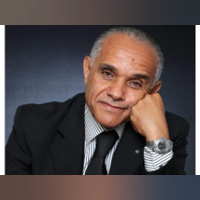
Aziz Daouda Aziz Daouda

Aziz Daouda

Directeur Technique et du Développement de la Confédération Africaine d'Athlétisme. Passionné du Maroc, passionné d'Afrique. Concerné par ce qui se passe, formulant mon point de vue quand j'en ai un. Humaniste, j'essaye de l'être, humain je veux l'être. Mon histoire est intimement liée à l'athlétisme marocain et mondial. J'ai eu le privilège de participer à la gloire de mon pays .


8000

33.0

FIFA World Cup 2026: risk of a tournament reserved for the wealthiest? An unprecedented inflation... 163

The 2026 World Cup, jointly organized by the **États-Unis, le Canada et le Mexique**, promises to be an extraordinary event: an expanded format with 48 teams, 104 matches, state-of-the-art facilities, and what is expected to be the most massive media coverage in sports history. However, as initial details about ticketing and logistical costs emerge, growing concern is palpable among fans: **the North American World Cup could become the most expensive World Cup ever organized**, to the point of calling into question the very accessibility of the event. At the heart of this concern is the American model of *dynamic pricing*, a system where prices are never fixed. They fluctuate according to demand, the volume of online requests, the status of the match, and even algorithmic parameters beyond the consumer’s control. For example, a hotel room normally priced around 200 USD might not be offered for less than 500 or even 600 USD, probably more for late bookers. This mechanism, common in American professional sports, could turn World Cup ticket purchases into a frenzied and even unfair race. Some final tickets are already priced between $5,000 and $20,000, a completely unprecedented level. Group stage tickets could see daily price swings, making financial planning nearly impossible for foreign fans. American supporters, already used to high prices in the NBA, NFL, or MLB, seem better equipped to navigate this system. Conversely, for Moroccan, Brazilian, Senegalese, Egyptian, or Indonesian fans, this model represents an almost insurmountable barrier. Adding to this cloudy scenario is the question of the official resale platform: **FIFA Official Ticket Resale Platform**. Ideally, it prevents black-market sales and secures transactions. But in a market dominated by speculative logic, it could become a playground for actors seeking to maximize profits, especially since FIFA takes a commission. FIFA has not yet communicated safeguards it plans to implement. Without strict regulation, resale could amplify price volatility, particularly for highly sought-after matches: final rounds, games involving teams with strong diasporas, as well as the opening match and final. One of the most puzzling aspects of this World Cup is the early sale of tickets without specific match assignments. In the USA, out of the **6 millions de billets prévus**, nearly **2 millions ont déjà trouvé preneur**, while buyers do not yet know which matches they paid for. This reflects several dynamics: - Total confidence from the American public in the event's organization; - The high purchasing power of an audience willing to invest heavily in sports experiences; - A structural asymmetry between American supporters and international fans, the latter compelled to wait for match assignments to plan trips and budgets. This situation fuels fears that stadiums will be largely filled with local spectators, to the detriment of fans supporting their teams from abroad. The USA ranks among the world’s most expensive hotel markets, and the selected cities are no exception: **New York, Los Angeles, Miami, Seattle, Dallas ou encore San Francisco** regularly top lists of the priciest destinations. A genuine inflation is expected across the hotel sector. During major sporting events, room prices can double or triple. For a month-long World Cup, projections are even more alarming: some operators are already talking about "prices never seen before." Fans should expect: - Massive hikes in hotel prices; - Predictable saturation of alternative accommodations; - Very high internal transport costs, since distances between host cities often require air travel. All these factors raise a central question: who will the 2026 World Cup really serve? The 250 million registered football players worldwide may feel somewhat frustrated. Their sport is slipping away. The North American model, dominated by commercial logic and speculative mechanisms, seems incompatible with football’s tradition as a popular sport. We might witness the emergence of a two-speed World Cup: - A premium World Cup, largely attended by North American audiences and wealthier supporters; - A remote World Cup for millions of international fans who must content themselves with televised broadcasts due to insufficient means to attend. For supporters from countries where median income is far lower than in the United States, be they African, Latin American, Asian, or even European nations, the experience could become inaccessible. FIFA clearly faces a strategic dilemma. Sooner or later, it will have to address this issue. Certainly, the choice of the United States guarantees top-level infrastructure, record revenues, a colossal advertising market, and a logistics organization of rare reliability. But this financial logic could directly contradict football’s social and symbolic mission: to bring people together, unite, and include. If the 2026 World Cup turns into an elitist event, it risks leaving a lasting negative impression in public opinion. Modern football, already criticized for its commercial drift, could face increased pushback from fans—the very fans who keep the sport alive—especially as FIFA’s revenues rise from $7.5 billion to $13 billion. The World Cup is thus under tension. In 2026, it will likely be spectacular both sportingly and organizationally. But it could also mark a turning point in World Cup history: when the event stops being a popular and accessible gathering and turns into a premium product for a privileged audience. Between ticket inflation, skyrocketing hotel prices, logistical distances, and the American economic model, the real risk exists that this edition will go down as the most exclusive, most expensive, and least accessible. FIFA, the organizers, and host cities will have to find ways to mitigate this dynamic to preserve football’s very essence: a universal sport that belongs to everyone. Could the proximity between Gianni Infantino and Donald Trump, even their friendship, help in any way?

CAN 2025 in Morocco: Reflection of a Major Probable Migratory and Social Transformation... 227

Three weeks before the Africa Cup of Nations in Morocco, it seems appropriate to revisit key insights from the 2024 General Population and Housing Census (RGPH 2024). This event will undoubtedly have a powerful impact on the country's perception, through the positive images it is already broadcasting and, consequently, on future demographic data. The census shows that out of 36.8 million recorded inhabitants, 148,152 people are foreign nationals, representing nearly 0.4% of the total population, an increase of over 76% compared to 2014. Behind this relatively modest figure lies a structural transformation: the rise of Sub-Saharan African migrants, partial feminization of flows, strong urban concentration, and increasingly qualified profiles. Morocco's geographical position and economic evolution have, in a relatively short time, transformed it from a country of emigration into a space of settlement and transit for migrants with varied profiles. The National Strategy on Immigration and Asylum (SNIA), adopted in 2013, along with the regularization campaigns of 2014 and 2017, have established a more inclusive approach in Morocco and better statistical knowledge of the populations concerned. Sub-Saharan African nationals now represent nearly 60% of migrants, compared to about 27% in 2014. The share of Europeans has declined to just over 20%. That of MENA region nationals is only 7%. Morocco's continental anchoring is thus confirmed. In terms of nationalities, Senegal and Côte d'Ivoire account for more than one-third of foreigners, ahead of France, which remains the leading European nationality with nearly 14% of foreign residents. Other countries like Guinea, Mali, Congo-Brazzaville, Cameroon, or Syria complete this panorama. Foreign residents in Morocco are mostly recent arrivals: more than half report arriving since 2021, and more than one-third between 2011 and 2020, testifying to a very recent acceleration of arrivals. A majority of this population will fill the stands during the CAN. Economic motives overwhelmingly dominate: more than 53% of migrants cite work as the main reason, confirming Morocco's role as a regional attraction pole in sectors such as construction, services, agriculture, and the informal economy. Family reasons follow (a little over 20%), reflecting the growing weight of family reunification and medium- to long-term settlement projects, then studies and post-graduation (about 14%), a sign of the country's academic attractiveness to Sub-Saharan students. Humanitarian motives, flight from conflicts, insecurity, racism, or climate change effects—remain numerically minor. Morocco thus appears as a hybrid space where labor migrations, student mobility, family reunifications, and international protection needs coexist. The vast majority of foreign residents live in cities: nearly 95% are settled in urban areas, confirming the role of major agglomerations as entry points and integration spaces. Two regions clearly dominate: Casablanca-Settat, which hosts more than 43% of foreigners, and Rabat-Salé-Kénitra with a little over 19%, though the latter's share has declined compared to 2014 in favor of Casablanca. Nearly 56% of this population are men, but feminization is progressing, particularly among certain nationalities like Ivorian women and Filipinos, who are very present in personal services and domestic work. More than 80% of foreign residents are between 15 and 64 years old, making them essentially a working-age group, with a non-negligible presence of children and a minority of elderly people. Nearly half of people aged 15 and over are single, while a little over 45% are married, showing the coexistence of individual mobility trajectories and stabilized family projects. The education level appears generally high: nearly 39% hold a higher diploma and 28% have reached secondary level. Employed workers are mostly private sector employees, while a minority work as independents, employers, or public sector employees, highlighting the diversity of professional integration modes. The relatively limited share of unemployed may mask forms of underemployment or precariousness in the informal sector. In 2024, more than 71,000 households include at least one foreign resident. About 31% are exclusively composed of foreigners, while about 69% are mixed households combining Moroccans and foreigners, a proportion sharply up from 2014. This rise in mixed households reflects a deepening of residential and social integration, through mixed marriages, welcoming relatives, or shared cohabitations linked to work and studies. In terms of housing, the majority of foreign households live in apartments, followed by modern Moroccan houses, reflecting integration into the ordinary urban fabric rather than segregated housing forms. Exclusively foreign households are overwhelmingly tenants, while mixed households are more often owners or co-owners, highlighting differentiated settlement trajectories based on household composition. The RGPH 2024 results confirm that the foreign presence in Morocco, though numerically limited, now constitutes a structural and lasting fact of society. The youth, the high proportion of active workers, the rise of family and mixed households, as well as the diversification of educational profiles, call for greater coordination between migration policies, urban, social, and educational policies.The major challenges concern valuing the economic and demographic potential of this population, access to education, health, housing, and decent work, and combating discrimination in a context of cultural pluralization. The SNIA mechanisms to meet Morocco's regional and international commitments in migration governance must also evolve. However, these figures and data will likely undergo real evolution in the coming years: the African media focus on the CAN, and later on the World Cup in Morocco, will reveal the country's assets and increase its attractiveness. These two events, through their combined media weight and the impressions reported by the thousands of expected spectators, should play a promotional role for the country. Deep Africa will discover Morocco and the multiple opportunities it offers, both economically and for studies.

Morocco Faces Its Sports Challenge: From Leisure to National Powerhouse... 656

Long confined to mere popular entertainment, used as a political communication tool, or dismissed as a socially useless activity, Moroccan sport is now emerging as an essential economic, social, and health driver. Under the spotlight of CAN 2025 and the 2030 World Cup, the Kingdom must fully embrace this potential. No room for half-measures, the sector already carries significant weight. Sport currently generates 1.56% of national GDP, equivalent to over 21 billion dirhams. This is just the beginning: reaching the symbolic 3% threshold, as estimated by the World Bank, could eventually position it to rival economic heavyweights like agribusiness or tourism, which it already boosts. The sector is buzzing with activity. Sales of sports goods have surged to 3.77 billion dirhams, while clubs and fitness centers report a 25% revenue increase, reaching 604 million. Professional football, capturing 12% of sports jobs, weighs in at 879 million dirhams. Moroccan sport is no longer just leisure; it is a full-fledged emerging economy. On the global stage, football is a major engine: valued at 59 billion dollars in 2025, FIFA anticipates record revenues of 11 billion for the 2023–2026 cycle. Morocco has every interest in riding this global wave, and it is doing so effectively. Major projects, from construction to jobs, contribute to this new revenue stream. CAN 2025 and the 2030 World Cup are more than sports events. They represent a powerful lever for investment and transformation. The three host countries: Morocco, Spain, Portugal, will mobilize 15 to 20 billion dollars, with 50 to 60 billion dirhams for Morocco alone, which is not just catching up but surpassing its partners. Renovated stadiums, roads, hotel infrastructure, and transport: these projects should create 70,000 to 120,000 direct and indirect jobs. Sports tourism adds to this, already a strong driver generating 2 billion dirhams from iconic events like golf tournaments, the Marathon des Sables, or Atlas trails. But physical activity and sport are more than that, they are healing investments. Beyond the economy, investing in physical activity and sport is crucial for public health. According to the WHO, every dollar invested in physical activity yields three dollars in medical cost savings. Europe estimates that a 10% increase in practitioners saves 0.6% of GDP in healthcare costs. In Morocco, where 59% of the population is overweight and 24% suffer from obesity, and 48.9% of Moroccans experience a mental disorder at least once in their lives, physical activity could reverse these health trends. It reduces premature mortality by 30%, type 2 diabetes by 40%, depression by 30%, while boosting productivity by 6 to 9%. Physical activity and sport are the best free medicine. They heal before illness even appears. Thus, sport is not just pleasure: it is a powerful, sustainable public health lever. What better way to channel the overflowing energy of youth? Sport is also the school of life and citizenship. Studies show athletic students score 0.4 points higher on average, gain 13% in concentration, and reduce stress by 20%. Yet, only 22% of young Moroccans engage in regular physical activity, despite a potential exceeding 6 million. Children tend to swap the ball for screens. The risk is high: without strong policies, a fragile generation is being prepared. The Kingdom already invests significantly in sports for all, especially by providing youth with free outdoor facilities, but much remains to be done. Here is a corrected and improved version of your text: The legislative framework is clearly misaligned with ambitions. Law 30-09, governing sport in Morocco, is criticized for excessive centralization, administrative burdens, and lack of autonomy for clubs and federations. It fails to clearly define concepts, creating real legal ambiguity. More than ever, it would be wise to move toward a new law that implements and respects the provisions of the 2011 constitution; a more incentive-based law that clearly defines concepts and thus responsibilities, correcting all the flaws of the previous one—and there are many. It would also be urgent to remove sport from political timelines and entrust it to a mission-oriented administration whose tasks, strategies, and pace adapt to sports time, which is much longer, and align with international sports timelines. Morocco's Royal Sports Federations capture no more than 350,000 licensees for a potential of 6 to 7 million. Clubs struggle to professionalize, private investors are lukewarm, and mass participation remains proportionally neglected. To accelerate growth, it will likely be necessary to lighten taxation with reduced VAT on equipment and subscriptions, ease burdens for sports startups, and officially recognize sport as an activity of public utility. The 2026 Finance Bill precisely provides for adjustments to promote public-private partnerships and boost private investment. The next decade could mark a historic turning point in the country's development. By 2030, Morocco has chosen sport as a national pillar. With prestigious international competitions, modern infrastructure, and energetic youth, Morocco holds all the cards to make sport a pillar of sustainable development. But this requires a paradigm shift: sport is not just a spectacle or image tool; it is an economic sector, a culture to promote, and a public policy to build. Morocco now has the opportunity to make sport a major vector of prosperity, health, employment, and social cohesion. This is the choice made: to take sport out of the leisure framework and fully integrate it into a national strategy. Sport is not a luxury. It is a collective investment in health, employment, and national unity. The message is clear: by 2030, Morocco must shine not only through its teams but also through its ambitious vision of sport as a lever for human and economic development.

Guterres snubs Attaf in Luanda: the UN breaks with Algeria's rudeness on the Sahara... 706

At the Africa-Europe summit held in Luanda, a filmed and widely shared incident spotlighted a deep diplomatic tension involving António Guterres, UN Secretary-General, and Ahmed Attaf, Algerian Foreign Minister. A video of the moment went viral on social media, sparking intense debate and mockery. Guterres abruptly gave a formal but cold greeting before swiftly turning his back on Attaf, who was desperately trying to engage with him. This was not a mere protocol slip but a deliberate gesture symbolizing a conflict-laden, annoyed relationship between the UN and Algeria. At such a high diplomatic level, gestures are never accidental or improvised. Nearing the end of his term, Guterres has little patience left for certain behaviors, including those of an insistent and exhausting minister from a country repeatedly harassing the institution. Politically, this public refusal to engage cannot be seen as an accident. It expresses explicit exasperation with Algeria’s stance and likely reflects Attaf's failure to secure a meeting with the Secretary-General. The context is heavy: the Moroccan Sahara issue fuels tension with Algeria pursuing an aggressive, systematic strategy challenging UN reports and resolutions, accusing the UN of bias. Algeria claims neutrality, but this masks the reality that it has sustained and intensified the conflict for half a century, along with Gaddafi’s Libya. Official Algerian media frequently criticize the UN with diplomatic invective, targeting countries and leaders who recognize Moroccan sovereignty over Western Sahara. Attacking Israel and Zionism is also a recurring theme, all to bolster Algerian national pride amid economic hardships. This unprecedented political rudeness damages Algeria’s international image. Algerian representative Amar Bendjama’s disdainful and disrespectful comments after the UN Security Council Resolution 2797 vote illustrate this climate. The ongoing tensions have led to a diplomatic deadlock for Algeria, which desperately pressures the UN publically, breaking traditional diplomatic norms. Guterres’s gesture sends a clear political rejection of Algeria's destabilizing posture, a "enough is enough" message that may go unheeded given Algeria’s stubbornness. The episode reveals the limits of informal diplomacy when faced with an aggressive actor and underscores the growing irritation within the UN regarding the Sahara dossier. Major powers now publicly refuse to tolerate Algeria’s antics, having long endured them in hopes of Algerian realizations. Geopolitical stakes in the Mediterranean and Africa are too high for the international community to continue tolerating Algeria’s regional destabilization doctrine. Algeria has only succeeded in creating the new terminology "Western Sahara," which has reignited the question of the "Eastern Sahara." Increasingly, young people provide historical proof of Morocco’s sovereignty over the territories previously linked to colonial France. This incident symbolizes a symbolic rupture in Algeria-UN relations, exacerbated by the recent UN resolution explicitly naming the parties to the Sahara dispute: Algeria, its proxy Polisario Front, Mauritania, and Morocco. The only solution on the agenda is autonomy under Moroccan sovereignty, hard for Algeria to accept. Even at the recent G20 summit hosted by South Africa, a known Algerian ally, no word was uttered on the Moroccan Sahara. This confrontation at such a high-profile summit illustrates Algeria’s waning political influence in multilateral forums while Morocco strengthens its regional and global diplomatic standing.

A "Future Talents" Visa to Accelerate Morocco's Industrial Transformation? 734

While President Donald Trump recently imposed a $100,000 tax on new H-1B visa applications for skilled workers in the United States, China, facing a significant shortage of specialized labor in its strategic sectors, has taken the opposite approach by creating a visa dedicated to foreign talents in science, technology, engineering, and mathematics (STEM) fields. This mechanism, designed to be simple and flexible, aims to fill a deficit of nearly 30 million qualified individuals by facilitating the rapid arrival of foreign experts through streamlined procedures. This represents a entirely new approach emerging in China that could quickly spread. One can imagine that tomorrow, the truly coveted resources will no longer be energy sources or rare earths, but rather heads full of innovative ideas. Faced with these emerging global dynamics, Morocco could consider a similar approach as soon as possible to support its key industrial sectors such as automotive, aeronautics, space, and semiconductors. Imagine a targeted visa system to attract profiles of excellence from recognized international universities and research centers. This innovative visa could rely on several essential pillars: - **Streamlining administrative formalities**: Such a Moroccan visa would allow entry into the territory without a prior work contract, following the Chinese model, providing precious flexibility for both candidates and local innovation incubators. - **Relaxed stay conditions**: It would also offer extended stays, multiple entries, and an accelerated process to facilitate integration into Morocco's industrial and technological hubs. - **Highlighting cutting-edge skills**: By targeting graduates from top schools and research institutes, the kingdom could strengthen its academic partnerships and maximize applied research outcomes. - **Support for strategic sectors**: Automotive expansion would benefit from robotics and AI specialists, aeronautics from advanced materials design experts, space from satellite systems engineers, and semiconductors from nanotechnology engineers. - **Support recruitment by our universities of PhD candidates in cutting-edge fields and incentivize them to settle in Morocco through housing aids, tax breaks, etc.**. Beyond attractiveness, this program has the potential to create a virtuous circle of innovation, where foreign and national talents contribute together to developing a cutting-edge industrial ecosystem that adds value to the Moroccan economy. While such a model is still unprecedented in developing countries, it raises legitimate questions about cultural integration, local competitiveness, or social impacts. However, given the urgent need to fill technical gaps to preserve international competitiveness, this solution could represent a major opportunity to accelerate Morocco's industrial transformation. Morocco faces a major demographic challenge, as everyone knows. Its traditionally young population is gradually heading toward structural aging, which risks affecting the availability of skilled labor in the medium and long term. Anticipating this evolution by welcoming young foreign talents would maintain the country's economic and social vitality. The benefits of such an orientation would be multiple: - **Offsetting the decline in local workforce**: Targeted recruitment of foreign experts would help compensate for the expected drop in young active population, avoiding a critical shortage of skills in major industrial sectors. - **Selective immigration focused on economic efficiency**: This strategy would directly enrich the industrial fabric by promoting innovation, productivity, and qualified job creation, rather than broad openness to less specialized profiles. - **Building an attractive and sustainable environment**: Attracting these excellence profiles today would give Morocco time to develop a favorable ecosystem, including training, research, infrastructure, and social integration, to encourage lasting settlement and knowledge transfer. - **Proactive strategy against demographic challenges**: Rather than passively suffering aging, the country would position itself as an anticipatory actor by leveraging targeted migration policy as a development lever. Inspired by the Chinese approach but adapted to Moroccan specificities, a "future talents" visa could thus become a key lever to attract young foreign graduates and sustainably strengthen the kingdom's strategic industrial sectors. This positioning would prepare the national economy for the challenges of a globalized economy where access to highly qualified labor becomes a central issue. For this strategy to be fully effective, it must be accompanied by integrated welcome policies combining adapted training, cultural coexistence, and social inclusion to create synergies between foreign talents and national forces. Such a bet on human capital would translate a firm will to make Morocco a regional hub for high technology and innovation. This proposed strategy is structured to enhance the fluidity of highly qualified immigrants' arrival and ensure coherence with the country's demographic policy, by energizing integration and knowledge production approaches while highlighting arguments tailored to the Moroccan context. It offers strategic reflection to position Morocco in the global competition for talents and innovative industries, a major challenge at the dawn of the country's demographic and economic issues.

My Father's Pen 860

​I have known it since I was young. My late father, then a school principal, gave me my first pen when I passed my primary school certificate in June 1966, to replace my dip pen, penholder, and inkwell. ​He taught me how to hold it between my thumb and index finger and how to improve my handwriting in both Arabic and French. ​He taught me to choose the best verb, the best sentence to express my feelings and reveal my emotions of the moment. He instilled in me the art of juggling with the taxonomy of verbs and, subsequently, the choice of the best tense for conjugating them. He never stopped repeating to me that the solemnity of the moment required a faithful reflection of the recount of events, whether actually experienced or imagined. He taught me to reflect on what I was going to write before drafting and consulting. ​He had the art and manner of transmitting his knowledge to me with passion and love. He took all the time for this patiently, never reprimanding me for a spelling mistake or when I rolled my Rs. He knew that by doing so, he succeeded in setting me on the right path for drafting, narration, pronunciation, and written and oral expression. ​I often used to lock myself in my studio, which was located in the garden of our staff housing at the Sidi Amr school in Meknes. ​This is how I began to write short stories, poems, and even love letters to an imaginary beloved. ​I also kept my personal diary. ​My French teacher in the first year, called the observation class, at Moulay Ismail High School, Mr. Rossetti, encouraged me to write. ​My pen was a precious tool for me, allowing me to express everything I felt at that time of my life. For me, it was a way not only to entertain myself but also to consolidate a gift for writing and composing poems. My father supervised what I produced in writing from a distance and had the art and manner of correcting my essays while encouraging me to move forward. ​My "vocabulary" capital grew day by day. ​I had gotten into the habit of writing in one go, without resorting to a draft. ​Now that I am nearing seventy, I continue to write with a disconcerting ease that surprises those around me. ​For me, there is nothing surprising, because I possess genes transmitted by my father, an outstanding teacher and school principal who officiated for more than forty years and who, like me and my brothers and sisters, trained hundreds and hundreds of students. ​May he rest in peace and know that his pen is in good hands. ​Dr. Fouad Bouchareb All rights reserved November 27, 2025

My Father's Pen 887

​I have known it since I was young. My late father, then a school principal, gave me my first pen when I passed my primary school certificate in June 1966, to replace my dip pen, penholder, and inkwell. ​He taught me how to hold it between my thumb and index finger and how to improve my handwriting in both Arabic and French. ​He taught me to choose the best verb, the best sentence to express my feelings and reveal my emotions of the moment. He instilled in me the art of juggling with the taxonomy of verbs and, subsequently, the choice of the best tense for conjugating them. He never stopped repeating to me that the solemnity of the moment required a faithful reflection of the recount of events, whether actually experienced or imagined. He taught me to reflect on what I was going to write before drafting and consulting. ​He had the art and manner of transmitting his knowledge to me with passion and love. He took all the time for this patiently, never reprimanding me for a spelling mistake or when I rolled my Rs. He knew that by doing so, he succeeded in setting me on the right path for drafting, narration, pronunciation, and written and oral expression. ​I often used to lock myself in my studio, which was located in the garden of our staff housing at the Sidi Amr school in Meknes. ​This is how I began to write short stories, poems, and even love letters to an imaginary beloved. ​I also kept my personal diary. ​My French teacher in the first year, called the observation class, at Moulay Ismail High School, Mr. Rossetti, encouraged me to write. ​My pen was a precious tool for me, allowing me to express everything I felt at that time of my life. For me, it was a way not only to entertain myself but also to consolidate a gift for writing and composing poems. My father supervised what I produced in writing from a distance and had the art and manner of correcting my essays while encouraging me to move forward. ​My "vocabulary" capital grew day by day. ​I had gotten into the habit of writing in one go, without resorting to a draft. ​Now that I am nearing seventy, I continue to write with a disconcerting ease that surprises those around me. ​For me, there is nothing surprising, because I possess genes transmitted by my father, an outstanding teacher and school principal who officiated for more than forty years and who, like me and my brothers and sisters, trained hundreds and hundreds of students. ​May he rest in peace and know that his pen is in good hands. ​Dr. Fouad Bouchareb All rights reserved November 27, 2025

My Father's Pen 913

​I have known it since I was young. My late father, then a school principal, gave me my first pen when I passed my primary school certificate in June 1966, to replace my dip pen, penholder, and inkwell. ​He taught me how to hold it between my thumb and index finger and how to improve my handwriting in both Arabic and French. ​He taught me to choose the best verb, the best sentence to express my feelings and reveal my emotions of the moment. He instilled in me the art of juggling with the taxonomy of verbs and, subsequently, the choice of the best tense for conjugating them. He never stopped repeating to me that the solemnity of the moment required a faithful reflection of the recount of events, whether actually experienced or imagined. He taught me to reflect on what I was going to write before drafting and consulting. ​He had the art and manner of transmitting his knowledge to me with passion and love. He took all the time for this patiently, never reprimanding me for a spelling mistake or when I rolled my Rs. He knew that by doing so, he succeeded in setting me on the right path for drafting, narration, pronunciation, and written and oral expression. ​I often used to lock myself in my studio, which was located in the garden of our staff housing at the Sidi Amr school in Meknes. ​This is how I began to write short stories, poems, and even love letters to an imaginary beloved. ​I also kept my personal diary. ​My French teacher in the first year, called the observation class, at Moulay Ismail High School, Mr. Rossetti, encouraged me to write. ​My pen was a precious tool for me, allowing me to express everything I felt at that time of my life. For me, it was a way not only to entertain myself but also to consolidate a gift for writing and composing poems. My father supervised what I produced in writing from a distance and had the art and manner of correcting my essays while encouraging me to move forward. ​My "vocabulary" capital grew day by day. ​I had gotten into the habit of writing in one go, without resorting to a draft. ​Now that I am nearing seventy, I continue to write with a disconcerting ease that surprises those around me. ​For me, there is nothing surprising, because I possess genes transmitted by my father, an outstanding teacher and school principal who officiated for more than forty years and who, like me and my brothers and sisters, trained hundreds and hundreds of students. ​May he rest in peace and know that his pen is in good hands. ​Dr. Fouad Bouchareb All rights reserved November 27, 2025

My Father's Pen 933

​I have known it since I was young. My late father, then a school principal, gave me my first pen when I passed my primary school certificate in June 1966, to replace my dip pen, penholder, and inkwell. ​He taught me how to hold it between my thumb and index finger and how to improve my handwriting in both Arabic and French. ​He taught me to choose the best verb, the best sentence to express my feelings and reveal my emotions of the moment. He instilled in me the art of juggling with the taxonomy of verbs and, subsequently, the choice of the best tense for conjugating them. He never stopped repeating to me that the solemnity of the moment required a faithful reflection of the recount of events, whether actually experienced or imagined. He taught me to reflect on what I was going to write before drafting and consulting. ​He had the art and manner of transmitting his knowledge to me with passion and love. He took all the time for this patiently, never reprimanding me for a spelling mistake or when I rolled my Rs. He knew that by doing so, he succeeded in setting me on the right path for drafting, narration, pronunciation, and written and oral expression. ​I often used to lock myself in my studio, which was located in the garden of our staff housing at the Sidi Amr school in Meknes. ​This is how I began to write short stories, poems, and even love letters to an imaginary beloved. ​I also kept my personal diary. ​My French teacher in the first year, called the observation class, at Moulay Ismail High School, Mr. Rossetti, encouraged me to write. ​My pen was a precious tool for me, allowing me to express everything I felt at that time of my life. For me, it was a way not only to entertain myself but also to consolidate a gift for writing and composing poems. My father supervised what I produced in writing from a distance and had the art and manner of correcting my essays while encouraging me to move forward. ​My "vocabulary" capital grew day by day. ​I had gotten into the habit of writing in one go, without resorting to a draft. ​Now that I am nearing seventy, I continue to write with a disconcerting ease that surprises those around me. ​For me, there is nothing surprising, because I possess genes transmitted by my father, an outstanding teacher and school principal who officiated for more than forty years and who, like me and my brothers and sisters, trained hundreds and hundreds of students. ​May he rest in peace and know that his pen is in good hands. ​Dr. Fouad Bouchareb All rights reserved November 27, 2025

My father's pen 1005

​I have known it since my young age. My late father, then a school principal, offered me my first pen when I passed my primary school certificate in June 1966. He thus taught me how to hold it between my thumb and index finger and to improve my handwriting in both Arabic and French. I often used to lock myself in my studio, which was located in the garden of our official residence at the Sidi Amr school in Meknes. This is how I started writing short stories, poems, and even love letters to an imaginary beloved. I also kept my personal diary. My French teacher in the first year, called the observation class, at Moulay Ismail High School, Mr. Rossetti, encouraged me to write. My pen was a precious tool for me, allowing me to express everything I felt at that time in my life. It was a way for me not only to entertain myself but also to consolidate a gift for writing and composing poems. My father supervised my writings from a distance and had the art and manner of correcting my essays while encouraging me to move forward. My "vocabulary" capital was enriched day after day. I had acquired the habit, to this day, of writing in a single draft without resorting to a rough copy. Now that I am close to seventy years old, I continue to write with a disconcerting ease that surprises those around me. For me, this is not surprising because I possess genes transmitted by my father, an outstanding teacher and school principal who officiated for more than forty years and who, like me and my brothers and sisters, trained hundreds and hundreds of students. May he rest in peace and may he know that his pen is in good hands. ​Dr. Fouad Bouchareb All rights reserved November 27, 2025

​✍️ My Father's Pen 1121

​I have known it since my young age. My late father, then a school director, gave me my first pen when I successfully passed my primary school leaving certificate in June 1966. He taught me how to hold it between my thumb and forefinger and how to improve my handwriting, both in Arabic and in French. ​He taught me to choose the best verb, the best sentence to express what I felt and to reveal my emotions of the moment. He instilled in me the art of juggling with the taxonomy of verbs and subsequently choosing the best tense for conjugating them. He never stopped repeating to me that the solemnity of the moment required faithfully reflecting the narrative of events truly experienced or imagined. He taught me to think about what I was going to write before drafting and consulting. ​He had the art and the manner of transmitting his knowledge to me with passion and love. He patiently took all the time for this without ever reprimanding me for a spelling mistake or when I rolled my R's. He knew that this way he succeeded in putting me on the right track for drafting, narration, pronunciation, and written and oral expression. ​I often locked myself in my studio, which was in the garden of our official residence at the Sidi Amr school in Meknes. This is how I began to write small stories, poems, and even love letters to an imaginary sweetheart. I also kept my personal diary. ​My French teacher in the first year, called the observation class, at Moulay Ismail high school, Mr. Rossetti, encouraged me to write. My pen was a precious tool for me that allowed me to express everything I felt at that time in my life. It was for me a way not only to distract myself but also to consolidate a gift for writing and composing poems. My father supervised what I produced in writing from a distance and had the art and the manner of correcting my essays while encouraging me to move forward. My "vocabulary" capital grew day by day. I had gotten into the habit, to this day, of writing in one go without resorting to a draft. ​Now that I am nearing seventy, I continue to write with a disconcerting ease that surprises those around me. For me, nothing is astonishing, because I possess genes transmitted by my father, an unparalleled teacher and school director who officiated for over forty years and who, like me and my brothers and sisters, trained hundreds and hundreds of students. ​May he rest in peace and know that his pen is in good hands. ​Dr. Fouad Bouchareb All rights reserved November 27, 2025